

Feel to Heal
Pain is unavoidable; suffering is optional.

It’s a paradox of existence that while we can’t really make hard things better, we can absolutely refrain from making them worse.
Let me explain. In a case such as loss of a loved one, there’s nothing that can take away that pain. There’s no shortcut through it, and there’s no easy button. However, we can improve our experience with the pain. We can improve our ability to feel and breathe through overwhelming emotions. We can take good care of ourselves. We can treat ourselves with love and compassion. We can ask for support. We can even create beautiful things—art and relationships—out of our painful experiences.
We could also worsen things for ourselves by doing the opposite of the above: by being hard on ourselves, by repressing our feelings, by never tending to our emotional states, by refusing to seek support when we need it, and by not treating ourselves like human beings who deserve love and care.
In Buddhist philosophy there is a distinction between pain and suffering: Pain is unavoidable. Suffering is optional.
The grief of losing someone you love is pain. We know that loving means grieving; they go hand in hand. We can’t opt out of this human experience of pain, and no amount of self-compassion could spiritually bypass it or make it “all better.” But compassion, care, and emotional skills can help us avoid suffering once we are in pain. Suffering is the added burden of reacting to pain in a way that worsens it instead of tending to it. For example, you might suffer while grieving if you:
Refuse to seek to support that could help you when it is within your power to get support.
Treat yourself unkindly: berate, blame, or shame yourself, trying to find a way out of your feelings.
Stuff and repress your feelings instead of giving them your attention and care, so that they become increasingly unmanageable.
Consider pain as a physical wound, like a gash you’d receive from smashing into the edge of a sharp object. You can’t magically heal that gash; it has to heal in its own time, and it will be painful. But you can rinse it (that’s going to hurt1); you can bandage it; you can be tender with it. And you can choose not to be hard on yourself for being human. If you refuse to care for the wound, it will hurt even more. It will take even longer to heal. It could even get infected! And if you berate yourself for being clumsy, you’ll be in pain AND add more emotional pain to the equation.
Feelings must be felt.
A hard lesson to learn and accept is that embracing our emotions doesn’t make them less difficult or painful. But allowing ourselves to feel DOES prevent the feelings from festering or becoming damaging or toxic. When we feel fully, we do not erase the wound, but tend to it. And while tending is more painful than the fantasy of a magic cure, it’s also less painful than neglecting, rejecting, or infecting our wounds.
That’s why I say we can’t necessarily make hard experiences better, but we absolutely can refrain from making them worse. What hurts is going to hurt; but we have a choice about how to respond to the pain.
Thought for today:
I can’t necessarily stop the pain, but how can I be kinder to myself in this painful moment?
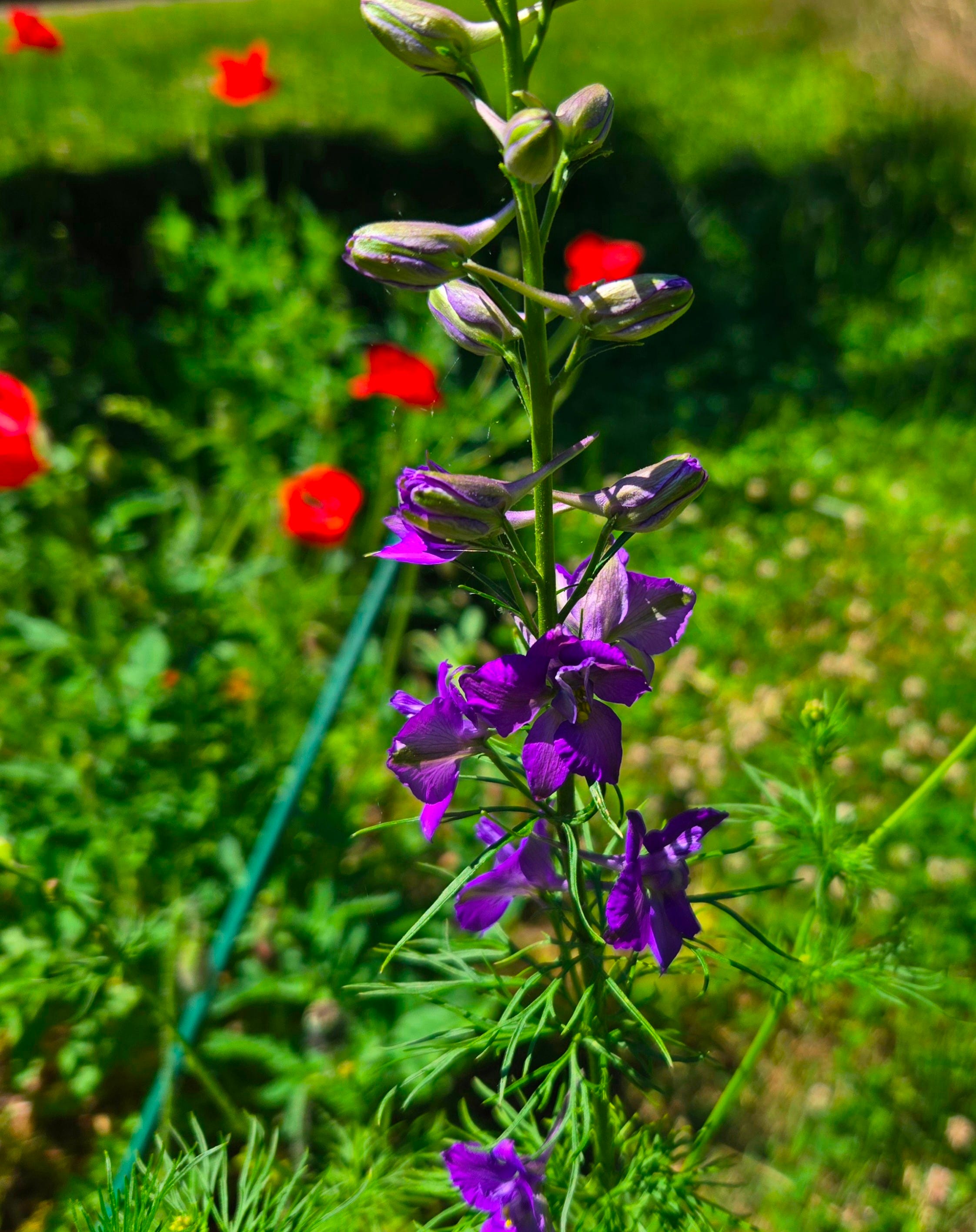
Sometimes healing hurts! But it ought to be a hurt that makes way for other experiences.